|
Sunday 24. 5.
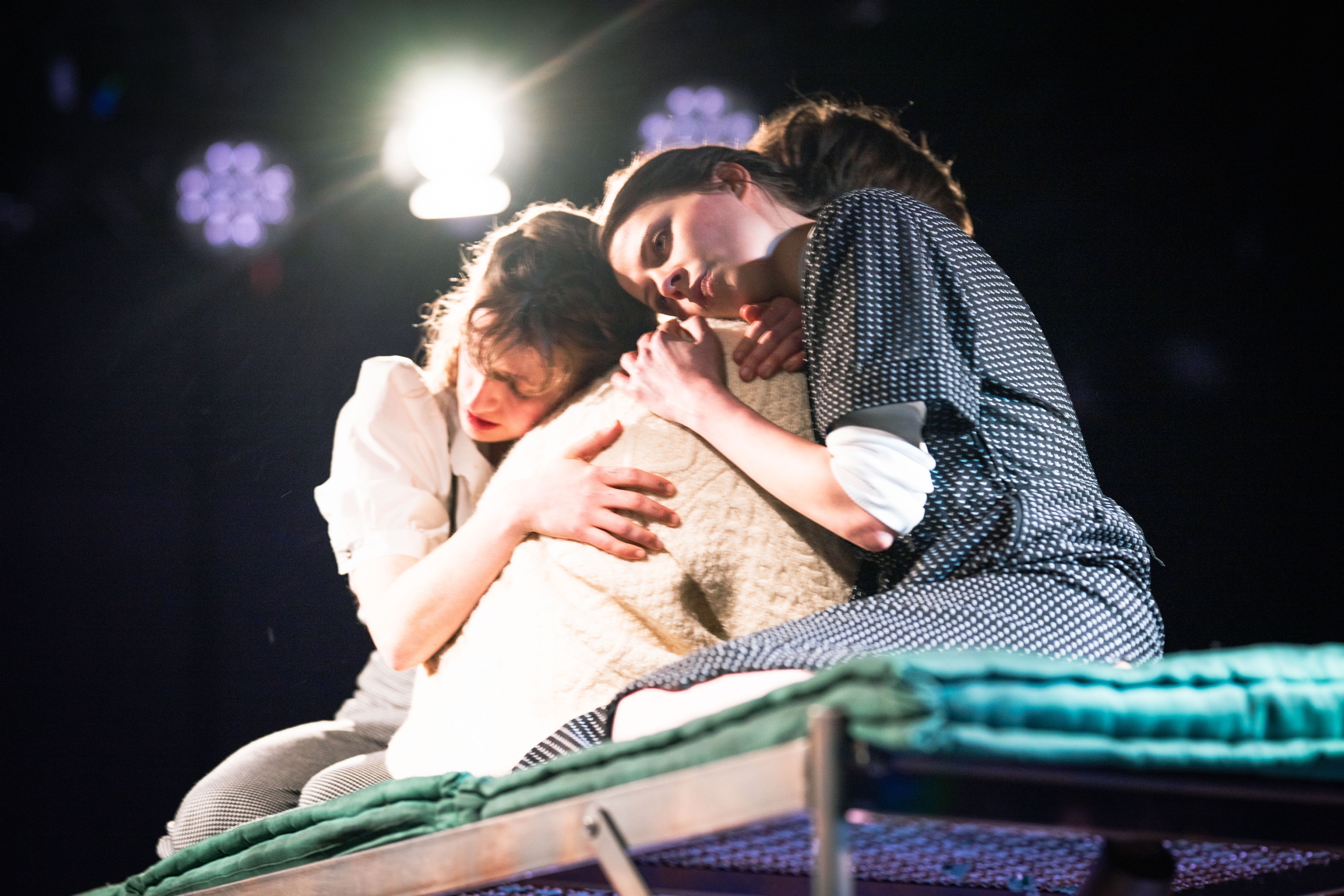
info Where does the darkness come from? Does it come from the shadows? Does it come from the forest before it slips quietly toward the houses where people live? Where does evil come from? Does it also, like the darkness, come from the shadows before it slips toward the houses where people live? The production is based on biographical material from three young people who grew up in Czechoslovakia in the 1930s. This performance has been created as a legacy from us to ourselves, after we have worked, lived, and breathed within NIE as a theatre collective for 25 years. Some of the performers in this production were not born when we had our very first premiere, dramatizing a newspaper note in the production My Long Journey Home in August 2001. At that time, we wanted to share the story of a witness from a period when the world seemed to be moving in the right direction. Now we share three stories in a very different time, but still with a strong emphasis on storytelling as a form — with humour and an oblique perspective that makes it possible to address even difficult topics, through personal and character-driven acting, and not least through a strong presence of live music. The word Můra has ancient roots, from a time when the Slavs lived in a society they believed was filled with various demons and spirits. One of these beings was called Mory, which later developed into Můra. This was a nocturnal being. It was believed to be the soul of a person wandering after death, sitting on the chest of sleeping people and pressing them down. They did this to warn of danger. The name itself comes from this characteristic action — to press. The Indo-European root mer- meaning “to press” or “to rub” can be found not only in the Slavic můra, but also, for example, in the English mare (which later became nightmare) and the Norwegian mare, as in mareritt (nightmare). Those who warn of danger are rarely popular. Even in pre-Christian times, men believed that female spirits were responsible for unrest among the people. This is why the mare is often portrayed as a woman. In more recent interpretations, following the Norse Ynglinga Saga, it becomes clear that women have always stood at the front, giving warnings — to help guide us into better times. |
|